Local Governance
The office of Zila Panchayat Chairperson, held from 2004 to 2009 — what that office is within India’s constitutional structure of rural local self-government, and what the record states about the tenure.
–2009
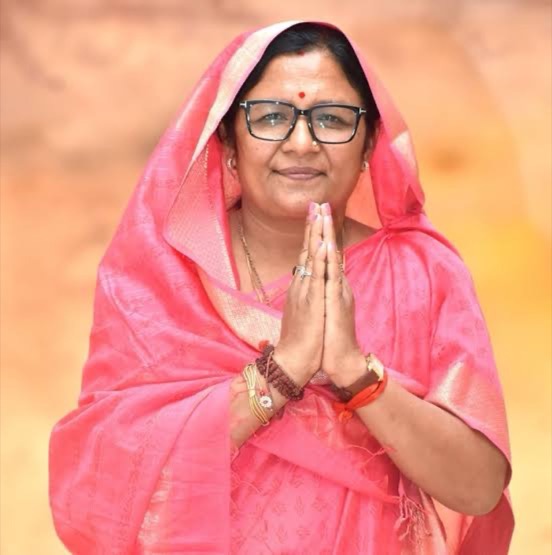
Before entering Parliament, Smt. Savitri Thakur held elected office in rural local government. The Lok Sabha member record and the ministerial profiles published by the Ministry of Women and Child Development’s institutions record her as Chairperson of the Zila Panchayat for the five years from 2004 to 2009.
That office sits at the apex of the district tier of the panchayati raj system. What follows sets out the institutional character of that system, so the office can be understood on its own terms.
Source — Lok Sabha member record; SPNIWCD; NCPCRThree tiers of rural self-government
The 73rd Amendment to the Constitution of India, in force from 1993, gave constitutional status to panchayati raj and established a three-tier structure in States above a population threshold. Madhya Pradesh operates all three tiers.
Gram Panchayat
The village-level body, accountable to the Gram Sabha — the assembly of all registered voters of the village. It carries out local works, maintains village records and implements schemes at the point of delivery.
Janpad Panchayat
The intermediate tier at development-block level, coordinating between the village bodies beneath it and the district body above. It consolidates block-level plans and supervises programme implementation across its constituent panchayats.
Zila Panchayat
The district-level body, at the apex of the structure. It consolidates the district development plan, allocates and monitors resources across blocks, and oversees the implementation of centrally and State-sponsored rural programmes. Its Chairperson (Adhyaksh) is elected by and from its elected members.
What a Zila Panchayat is responsible for
The Eleventh Schedule of the Constitution lists twenty-nine subjects that may be devolved to panchayats. In practice the district tier concentrates on planning, coordination and oversight across the subjects devolved by the State.
District development planning
Consolidating plans prepared at village and block level into a district plan, and setting priorities for the allocation of development funds across the district.
Rural programme delivery
Overseeing the implementation of rural employment, housing, drinking water, sanitation and road programmes delivered through the block and village tiers.
Social sector oversight
Supervision of services devolved to panchayats — including primary education, health and sanitation, and women and child development services delivered through Anganwadi Centres.
Public participation
Providing the formal channel through which village-level bodies and the Gram Sabha carry local priorities upward into district decision-making.
Reserved representation
The Constitution reserves seats and chairperson positions in panchayats for Scheduled Castes, Scheduled Tribes and women — the mechanism by which the tier draws leadership from communities under-represented elsewhere.
Accountability
Panchayat accounts are subject to audit, and the tier is accountable to the electorate through five-yearly elections conducted by the State Election Commission.
The documented tenure
The public record states the office and the period: Chairperson of the Zila Panchayat, 2004 to 2009. The profile published by the National Commission for Protection of Child Rights describes this as a role in which she contributed to local governance and rural development.
Individual schemes, projects, budgets or works attributable to that tenure are not set out in any verifiable public source available for this record. None are described here. What can be stated with confidence is the institutional scope of the office and the five-year period over which it was held.
The tenure preceded her first election to the Lok Sabha by five years. The sequence — district panchayat leadership, then parliamentary representation of the same district — is set out in the Parliamentary Journey.
Where a public office is recorded but its individual outputs are not, this archive states the office and stops there. Inventing projects, figures or outcomes to fill the gap would misrepresent the record.